Fewer Taps, Better Beer: Why Smart Breweries Are Shrinking Their Draft Lists on Purpose
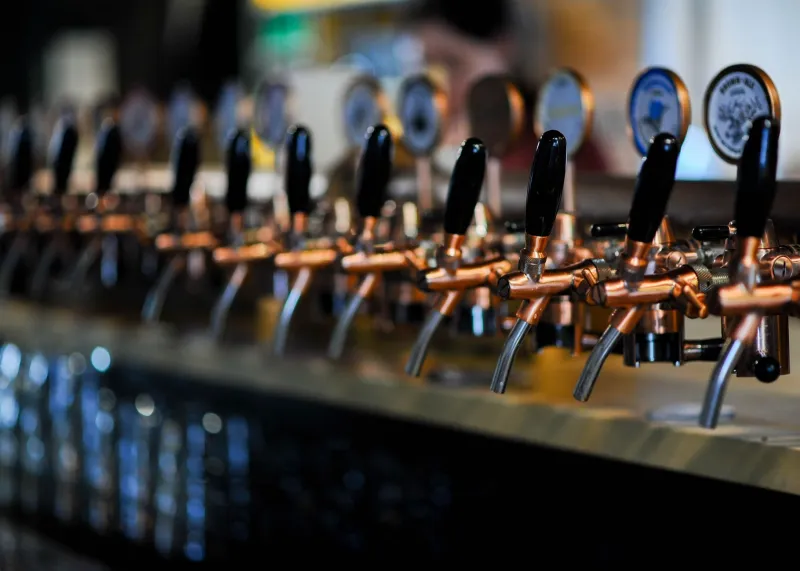
Walk into a craft brewery five years ago and you'd probably find yourself staring down a chalkboard wall covered in 30, maybe 40 different beers. A West Coast IPA here, a passionfruit wheat there, maybe a pickle gose tucked in somewhere near the bottom. It felt like abundance. It felt like freedom. For a lot of drinkers, it felt like the whole point.
Now walk into some of the most talked-about taprooms in the country and you might count a dozen handles — maybe fewer. And weirdly, the beer is better than ever.
This isn't an accident. A quiet but meaningful shift is happening across American craft brewing, where taproom operators are deliberately cutting back their draft programs. Not because they're struggling, but because they've figured out something counterintuitive: less really can mean more.
The Problem with the 40-Tap Taproom
For a stretch of the mid-2010s, tap count became a kind of status symbol. More beers meant more excitement, more reasons to come back, more Instagram moments. Breweries chased novelty because novelty drove traffic.
But behind the scenes, that model created serious operational headaches. Brewing 35 different beers at any given time means splitting your attention, your ingredients, your tank space, and your quality control across an almost unmanageable spread. Small batches get rushed. Recipes don't get refined. Beers that should have had another week of conditioning get tapped because something needs to fill the line.
"We were basically a novelty machine," says one taproom director at a mid-sized brewery in the Pacific Northwest who asked not to be named. "Every week we had to have something new, something weird. And honestly? Some of it was just not that good. We were so focused on what was next that we stopped caring about whether what was on was actually excellent."
That experience is echoed across the industry. The pressure to constantly rotate taps created a culture where brewers were always in production mode and never in refinement mode.
The Pivot to Curation
Some breweries started pushing back around 2021 and 2022, a period when supply chain issues, ingredient costs, and staffing shortages forced hard conversations about efficiency. What started as a necessity for some became a genuine philosophy for others.
The idea is simple: instead of brewing 40 mediocre-to-decent beers, brew 10 exceptional ones. Give each recipe the time and attention it deserves. Let your brewers actually master something instead of constantly improvising.
Breweries operating on what some in the industry are calling a "curated tap model" typically run between 8 and 14 handles at a time. The lineup usually includes a few core year-round offerings — a lager, an IPA, maybe a stout — alongside a small rotation of seasonals or limited releases. Everything on the board is intentional.
"When you only have 10 beers on, every single one of them has to earn its spot," says a head brewer at a well-regarded taproom in Colorado. "That changes how you brew. You're not just making beer to fill a line. You're making beer that's worth drinking."
What It Does for the Drinker
Here's the thing that took some customers a while to get on board with: a shorter tap list is actually a better experience for most people.
Decision fatigue is real. Walk up to a 40-tap wall with no guidance and a lot of drinkers either panic-order the first thing they recognize or spend 15 minutes interrogating the bartender. Neither is a great way to start a visit.
A tighter list forces a different kind of engagement. When there are only 10 beers, the staff knows all of them intimately. They can talk about where the malt came from, why the dry-hop schedule is unusual, what food it pairs well with. The conversation gets richer because the subject matter is more manageable.
It also makes it easier for drinkers to build a relationship with a brewery's identity. If you go back every month and there are always a handful of familiar anchors alongside a couple of thoughtful rotators, you start to understand what that brewery is actually about. You develop preferences. You become a regular instead of just a visitor.
"We had customers who'd been coming in for two years and couldn't name a single beer we made," says the taproom director from the Pacific Northwest. "There was just too much. Now people come in and say 'I'll have the lager' like it's their spot. That's what we wanted."
The Business Case
Beyond the quality and experience arguments, the math on a smaller tap program is pretty compelling.
Fewer active beers means fewer raw ingredient SKUs to manage, less risk of ingredient spoilage, more predictable production schedules, and lower waste from beers that don't move fast enough. Kegs sitting on the line past their peak are a real cost — and a real quality problem — that multiplies when you're running four dozen handles.
Breweries operating leaner tap programs also tend to report stronger sales velocity on individual beers, which means fresher product in the glass and better inventory turnover. A beer that sells out in two weeks beats one that lingers for six months every time.
There's also a staff training advantage that's easy to underestimate. Bartenders who deeply understand 10 beers will sell more than bartenders who vaguely know 40. That knowledge gap shows up in the guest experience and, ultimately, in the register.
Not Everyone's Buying It
It's worth saying that the curated tap model isn't universally embraced, and there are real arguments on the other side.
For breweries in highly competitive markets, a diverse tap list is still a genuine differentiator — a reason to choose one taproom over another when there are six within walking distance. Some drinkers genuinely do want the adventure of a sprawling selection, and dismissing that preference as unsophisticated misses the point of what craft beer is supposed to be about.
There's also the question of which beers get cut. Going from 30 taps to 10 means someone's favorite is probably disappearing. That's a real loss, and breweries navigating this transition have to be thoughtful about how they communicate it.
The best operators seem to handle it by being transparent — explaining the why behind the change, keeping some beloved staples on the list, and making the limited releases feel genuinely special rather than just scarce.
The Bigger Picture
What this trend really reflects is a kind of maturity settling into the craft beer world. The industry spent a decade proving it could be creative and surprising. Now some of its best players are proving they can be consistently excellent — which is, in the long run, a harder and more meaningful thing to pull off.
The breweries leaning into smaller, more intentional tap programs aren't retreating from craft culture. If anything, they're doubling down on its core promise: that independent makers, given the right focus and freedom, can make something genuinely worth drinking.
Fewer taps. More intention. Better beer. It's a trade most serious drinkers will take.