The Beer Whisperers: Meet the Tap Curators Reshaping What Lands in Your Glass
Walk into a serious wine bar and you expect someone on staff to know their Burgundy from their Barossa. But walk into a craft brewery taproom these days, and you might find something surprisingly similar — a trained professional whose entire job revolves around understanding every beer on the board, pairing it with food, guiding guests through a tasting flight, and yes, having a real opinion about what should get tapped next.
They go by different titles. Beer sommelier. Cicerone-certified tap curator. Draft director. Whatever the business card says, the role is the same: bring a level of structured expertise to craft beer that has traditionally lived only in the wine and spirits world. And across the US, more breweries are realizing this kind of specialization isn't a luxury — it's a competitive edge.
Borrowing the Wine World's Homework
The Cicerone Certification Program, launched in 2008, laid the groundwork for this kind of professional credentialing in beer. But what's different now is how some breweries are applying that knowledge operationally — not just to train bartenders to answer questions, but to build entire roles around it.
At larger taproom-focused operations in cities like Denver, Portland, and Asheville, you'll find people with backgrounds that straddle both industries. Some came up through fine dining. Others crossed over from wine distribution. A few are homebrewers who got deep into sensory science and never looked back. What they share is a commitment to treating beer with the same analytical seriousness that sommeliers bring to a wine list.
The job isn't just about knowing what a beer tastes like. It's about understanding why it tastes that way — water chemistry, fermentation temperature, dry-hop timing, barrel provenance — and then translating all of that into something a curious customer at the bar can actually connect with.
Who Decides What Gets Tapped?
Here's where things get genuinely interesting. In a lot of breweries, the tap list is still driven almost entirely by the production side. The brewers make what they want to make, and front-of-house staff figure out how to sell it. But tap curators are increasingly sitting at the table when those decisions get made.
Think of it like a restaurant's chef-sommelier relationship. A good sommelier doesn't just react to the menu — they influence it. They push back when a dish is fighting with the wine program. They advocate for bottles that will make the whole experience more coherent. Beer sommeliers at forward-thinking breweries are doing the same thing, flagging when a new release might cannibalize a bestseller, or suggesting a style gap that customers keep asking about.
Some are going even further, helping shape seasonal rotations based on what they're hearing directly from guests. That's real-time market intelligence, and brewers who are paying attention to it are making smarter decisions about what goes into the next batch.
The Guest Experience Gets an Upgrade
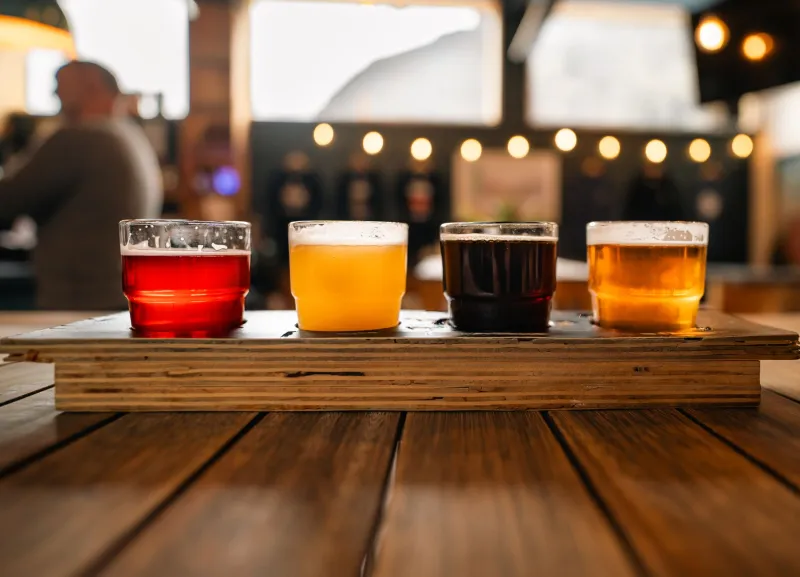
For customers, the most visible change is in how taprooms are educating and engaging people who walk through the door. Tasting flights used to be pretty passive — here are four four-ounce pours, enjoy. Now, at breweries with dedicated sommeliers or trained curators, those flights come with actual narrative.
Guests are being walked through flavor development, fermentation character, and ingredient sourcing in ways that feel more like a guided experience than a transaction. Some taprooms are running structured tasting events that mirror wine dinners — multi-course beer pairings where each pour is chosen to complement or contrast the food, with someone on hand to explain the reasoning.
It sounds fussy on paper, but in practice it tends to land really well. People who might describe themselves as "not really beer people" often leave those experiences with a completely different relationship to craft beer. That's not nothing. That's a brewery building a customer for life.
A Career Path Nobody Planned For
One of the more unexpected outcomes of this trend is what it's doing for employment within the craft beer industry. Brewing has always had a clear pipeline — homebrew, apprentice, head brewer. But the business side of a taproom has historically been a grab-bag of hospitality gigs with limited upward mobility.
Beer sommeliers are creating a new lane. People are now building careers as sensory specialists, draft program directors, and tasting room educators. Some are consulting across multiple breweries. Others are developing curriculum for staff training programs. A few are writing certification content for the Cicerone program itself.
For anyone who loves beer deeply but doesn't want to spend their days hauling grain sacks and monitoring fermentation tanks, this emerging specialization is genuinely exciting. It's proof that the craft beer industry is maturing in ways that create space for a wider range of expertise.
Not Everyone's Convinced
It wouldn't be fair to pretend this is a universally celebrated development. There's a segment of the craft beer world — particularly among brewers with deep roots in the DIY, anti-pretension culture that built the industry — that bristles at the idea of applying wine-world vocabulary and hierarchy to beer.
The concern isn't entirely unfounded. Beer's accessibility has always been part of its charm. If taprooms start feeling like intimidating fine dining rooms where you need a guide just to order a pint, something important gets lost. The best beer sommeliers seem to understand this instinctively. They wear their knowledge lightly. They meet guests where they are. They use expertise to open doors, not guard them.
The title of "flavor gatekeeper" only works if the gate swings both ways.
What Comes Next
As craft beer continues to fight for wallet share against wine, spirits, and a growing non-alcoholic beverage market, the breweries that are investing in the full guest experience — not just the liquid in the glass — are positioning themselves well. The taproom isn't just a place to sell beer anymore. It's a destination, a community hub, and increasingly, a place where people come to learn something.
Beer sommeliers and tap curators are a big part of what makes that possible. They're not replacing the brewer's vision. They're amplifying it — translating all that craft and intention into something a first-time visitor can taste, understand, and remember.
And honestly? That's a job worth having a title for.