Same Label, Different Beer: The Hidden World of Flagship Reformulations
You crack open a can of the IPA you've been drinking since college, take a sip, and something nags at you. It's still good. Maybe even technically better. But it's not quite that. The beer you remembered ordering at that bar in Asheville or bringing to every backyard cookout for the past six summers — this isn't exactly it.
You're probably not imagining things.
Across the American craft beer landscape, established breweries are quietly making changes to their most iconic beers. Not dramatic overhauls — nobody's swapping lager yeast into a stout — but the kind of subtle, incremental shifts that accumulate over time into something a devoted drinker can actually feel in the glass. Hop variety substitutions. Adjusted malt ratios. A slightly different water profile after a facility move. A new yeast strain sourced from a more reliable supplier.
None of it makes headlines. Most of it never gets announced. But it happens constantly, and the community of drinkers paying close attention are starting to compare notes.
Why Breweries Change Recipes They Don't Have To
The short answer is: they usually have to.
Brewmasters rarely reformulate a beloved flagship for fun. The more common story involves some version of a supply chain problem, a cost pressure, or the slow, humbling reality that scaling a recipe from a 10-barrel system to a 100-barrel system changes the beer whether you want it to or not.
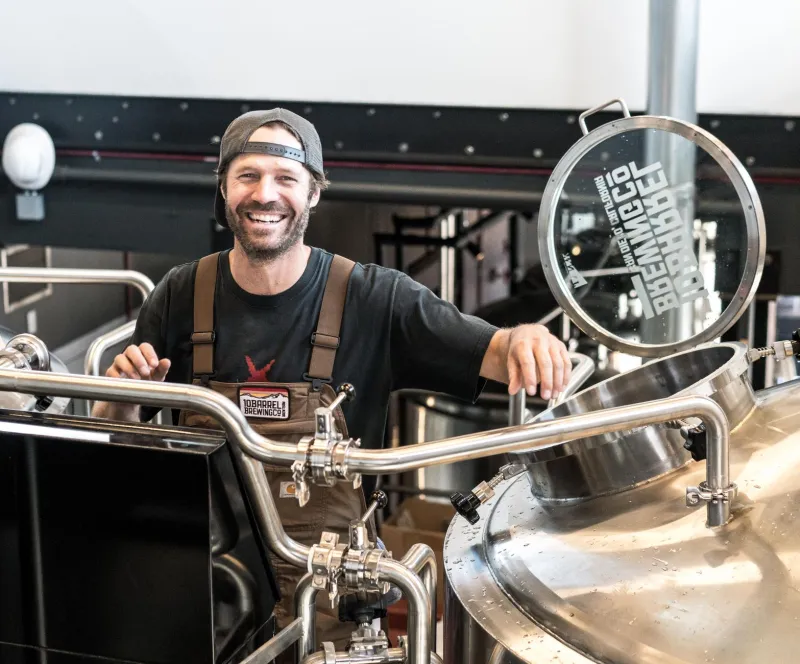
"We didn't sit down one day and decide to change our pale ale," says one head brewer at a mid-sized Pacific Northwest operation who asked not to be named. "We lost access to a specific hop variety from our contract grower two seasons in a row. You either find a substitute or you don't brew the beer. We found a substitute. It's close. But close isn't identical."
Hop availability is one of the biggest drivers of quiet reformulation in craft beer right now. The industry's infatuation with specific proprietary varieties — Citra, Mosaic, Strata, and their flavor-forward cousins — created enormous demand that agriculture simply hasn't always been able to meet. When a brewery can't secure enough of the exact hop that defined its flagship IPA, the options are limited: pay a premium on the spot market, blend in a substitute, or quietly adjust the dry-hop schedule to compensate.
Malt is another pressure point. Specialty grain suppliers come and go, regional maltsters change their processes, and what was once a reliable base malt can shift in character from year to year based on the harvest. Some brewers embrace this as terroir. Others spend months trying to dial recipes back to where they were.
The Business Math Behind the Changes
Beyond raw ingredients, there's the uncomfortable reality of running a business in a difficult market.
Craft beer's growth years are behind it. Taproom traffic softened post-pandemic in many markets, distribution competition intensified, and the economics of producing expensive, ingredient-heavy beers got harder to justify at scale. Some breweries have quietly reduced the dry-hop rates on their flagship IPAs — shaving a pound or two per barrel — in ways that trim costs without triggering a recipe change announcement. The beer is still good. It's just not quite as aggressively aromatic as it once was.
"There's a term for it internally," says one industry consultant who works with regional breweries on production efficiency. "'Value engineering.' Nobody calls it that on the label, obviously. But it's real, and it's more common than people think."
Other changes are driven by expansion. When a brewery opens a second production facility in a new state, the local water chemistry is different, the tanks behave differently, and even the ambient yeast environment can have subtle effects. Brewing the same beer in two locations is genuinely hard, and the version that travels farthest from home sometimes tastes like it.
What Drinkers Are Actually Detecting
The craft beer community has always had a vocal contingent of deeply attentive drinkers. Online forums, Reddit threads, and Discord servers dedicated to specific breweries fill up regularly with posts that follow a familiar pattern: someone claims their favorite beer has changed, someone else pushes back, and then a third person shows up with a spreadsheet comparing can dates and IBU readings.
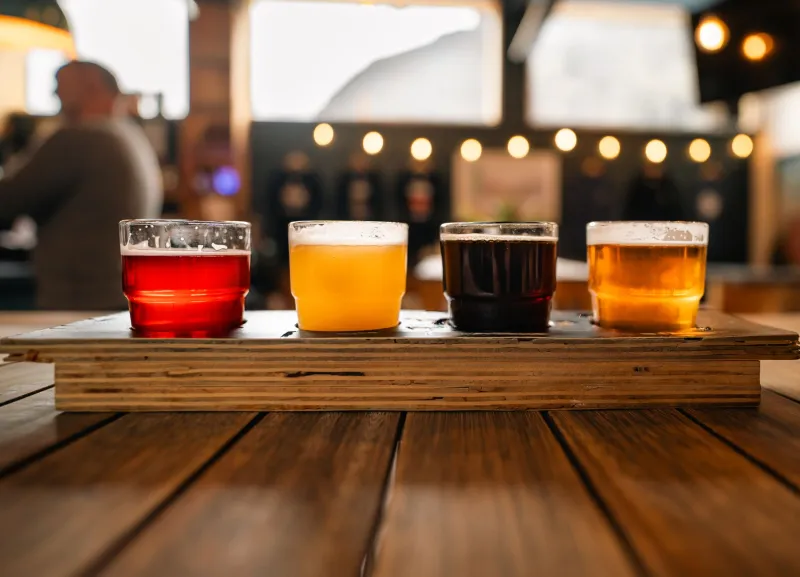
Blind tastings comparing different vintages of the same flagship — where someone has cellared old cans or tracked down older bottles — occasionally produce striking results. In one informal tasting organized by a homebrewing club in the Chicago area last year, participants comparing two-year-old cans of a regional IPA against a fresh release from the same brewery identified meaningful differences in hop character, bitterness, and mouthfeel. The newer version rated higher on clarity and consistency. The older version rated higher on aroma intensity.
Whether that represents a genuine reformulation or simply the natural drift of a living product is genuinely hard to say. Hop character fades. Yeast continues working in the can. Time changes beer. But some of what drinkers are detecting is real.
The Transparency Question
Here's where it gets complicated for breweries: how much do you tell people?
Some breweries have started being more upfront about recipe evolution, framing it as a natural part of a living, breathing product. A handful have published detailed brewing notes that acknowledge ingredient changes while explaining the reasoning. That approach tends to land well with enthusiasts who appreciate the honesty, even when they're disappointed by the change.
More common, though, is silence — or vague language about "continuing to refine" a recipe. The fear is understandable. Flagship beers are brand anchors. Admitting that your most famous IPA tastes different than it did five years ago invites a conversation most marketing teams would rather avoid.
But the silence creates its own problem. When drinkers notice a change and can't get a straight answer, the speculation fills the void. Online communities generate conspiracy theories. Trust erodes. And the brewery that might have retained loyalty through honest communication instead loses it to suspicion.
"The drinkers who care enough to notice a recipe change are also the drinkers who will forgive you if you're straight with them," says one taproom manager at a Colorado brewery that publicly acknowledged adjusting its flagship wheat beer after a malt supplier change. "What they won't forgive is feeling like they're being gaslit about something they can taste."
What This Means for Your Next Pint
None of this is a reason to stop drinking the beers you love. Most reformulations are driven by genuine necessity, and many result in beers that are more consistent, if not always more exciting, than what came before.
But it is worth paying attention — not just to what's in your glass, but to when you bought it, where it was brewed, and whether the brewery has said anything publicly about changes to their process. Fresh-date tracking, which the craft community has long advocated for hoppy beers, matters here too. A can that sat on a warm shelf for four months is going to taste different from a fresh pour at the source, and that difference can sometimes be mistaken for a recipe change when it's really just time doing its thing.
The deeper takeaway might be this: the beers we love are never quite as fixed as the labels suggest. They're products of ingredients that vary by season, processes that evolve with equipment and scale, and business decisions made under real pressure. That's not a scandal — it's just the reality of making beer at any meaningful volume.
What you're tasting, every time you open a can of something you've loved for years, is a small argument about what that beer is supposed to be. Sometimes the brewery wins that argument. Sometimes nostalgia does. Usually the truth is somewhere in between.