Dirt, Grain, and Good Beer: How American Breweries Are Getting Serious About Hyperlocal Ingredients
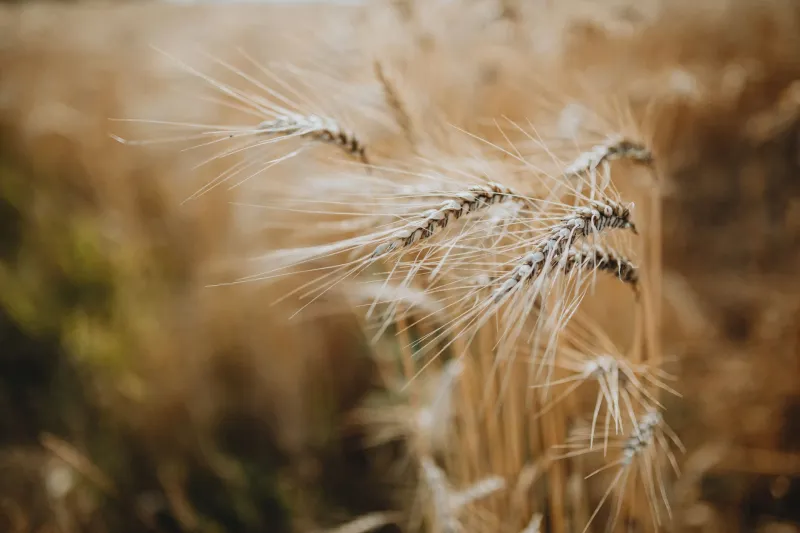
Drive about forty minutes outside of Asheville, North Carolina, and the landscape starts to shift. The highway gives way to two-lane roads, and the two-lane roads eventually deliver you to a small grain farm where a fifth-generation farmer named Dale is walking the edge of a field of heritage rye, talking about flavor the way most people talk about family.
"This variety hasn't been grown commercially around here in about sixty years," he says, crouching to pull a stalk from the soil. "We brought it back because a brewer asked us to."
That brewer is a couple of towns over, running a taproom that's become a quiet pilgrimage spot for people who care about where their beer comes from. And the arrangement between them — farmer grows the grain, brewery buys it at a fair price, turns it into something worth driving for — is playing out in variations across the country right now. Farm-to-tap isn't a trend anymore. It's starting to look like a movement.
What "Local" Actually Means in a Pint Glass
For most of craft beer's history, "local" has meant local production — a beer brewed in your city, maybe featuring imagery of your regional landscape on the label. The ingredients themselves — barley, wheat, hops, yeast — were largely sourced from the same handful of large agricultural suppliers that stock breweries from coast to coast.
That's changing. A growing contingent of brewers is pushing the definition of local all the way back to the soil. They're partnering directly with regional maltsters, contracting with small hop farms, and in some cases growing botanicals themselves. The goal isn't just to tell a better marketing story — though that's a real benefit — it's to make beer that actually tastes like where it comes from.
The wine world has a word for this: terroir. The idea that the specific combination of soil, climate, and geography leaves an imprint on what grows there. Craft brewers are increasingly convinced the concept applies to beer just as meaningfully.
"I've made the same recipe with two different malts — one from a regional farm, one from a commodity supplier — and they're genuinely different beers," says one brewer we spoke with in Vermont. "The local malt has this earthiness, this specificity. You can taste where it came from."
The Farmers Making It Possible
The farm-to-tap movement doesn't work without farmers willing to take a risk on unusual crops and small-volume contracts. Heritage grains — emmer, einkorn, red fife wheat, landrace barleys — are notoriously lower-yield than modern commodity varieties. They're harder to grow, harder to process, and they don't fit neatly into the economics of industrial agriculture.
What they do offer is flavor complexity that commodity grain often can't match, and a story that resonates with consumers who've grown up in the farm-to-table era. Restaurants built entire identities around sourcing from local farms. It was probably only a matter of time before breweries caught up.
Regional malthouses have been a critical piece of the infrastructure. Operations like Riverbend Malt House in North Carolina, Deer Creek Malthouse in Pennsylvania, and Skagit Valley Malting in Washington state have built supply chains specifically designed to bridge small farms and craft breweries — buying grain from regional growers, processing it into malt, and selling it to breweries who want something with a ZIP code attached.
For the farmers, it's not always easy money. The volume is smaller than commodity markets and the logistics can be complicated. But several of the agricultural partners we spoke with talked about the relationships themselves as part of the value — the chance to grow something interesting, to have a direct connection to the final product, and to be part of a food system that feels more coherent than the commodity chain.
Foraged and Farmed: Beyond the Grain Bill
Some breweries are pushing the hyperlocal sourcing idea well beyond malt and hops. Foraged ingredients — spruce tips, wild bergamot, sumac, yarrow, local honey, even mushrooms — are showing up in beers that read almost like field guides to their surrounding ecosystems.
In the Pacific Northwest, breweries have long experimented with spruce and Douglas fir in seasonal releases. In the Southeast, muscadine grapes and local sorghum have found their way into taproom pours. Midwest breweries are collaborating with foragers to incorporate ingredients that would have been completely foreign to the brewing tradition even a decade ago.
This is where farm-to-tap gets genuinely experimental. Not every foraged ingredient plays nicely with fermentation chemistry, and not every flavor combination lands. But the breweries doing this work talk about it with a kind of enthusiasm that's infectious — the sense that they're making something that couldn't exist anywhere else, with ingredients that couldn't come from anywhere else.
"We made a beer last fall with pawpaw fruit from a farm about eight miles from here," one Ohio brewer told us. "Pawpaws don't travel well, so most people outside of the Midwest have never tasted one. That beer was a way to share something about where we live with everyone who walked through our door."
The Sustainability Argument
Shorter supply chains mean lower transportation emissions. Fair contracts with regional farmers mean more money staying in local agricultural economies. Heritage grain cultivation can support soil health and biodiversity in ways that monoculture commodity farming doesn't.
The sustainability case for hyperlocal brewing is real, and breweries are increasingly leading with it — not as greenwashing, but as a genuine operational philosophy. Some have gone further, building composting programs, returning spent grain to partner farms as animal feed or soil amendment, and investing in water conservation infrastructure.
It's worth noting that local sourcing doesn't automatically mean sustainable sourcing, and sustainability claims should always be interrogated rather than taken at face value. But the breweries building deep, long-term relationships with regional agricultural partners are generally doing the harder, more authentic work of connecting their business practices to their stated values.
What's in the Glass
All of this context matters, but ultimately, farm-to-tap brewing lives or dies on what ends up in your pint. And the beers coming out of the most committed hyperlocal programs are, by most accounts, genuinely worth seeking out.
They tend to be a little less predictable than beers made from standardized commercial ingredients — seasonal variation is real, and a harvest that differs from last year's will produce a beer that differs from last year's. For some drinkers, that variability is a feature. It's the same reason people get excited about a wine that expresses its vintage.
For others, it takes some adjustment. The craft beer audience has been trained to expect consistency. A beer that tastes a little different from batch to batch because the barley grew in different conditions requires a small shift in how you think about what you're drinking.
But sit with it for a minute. Taste the rye that Dale grew in the shadow of those North Carolina mountains. Consider the distance between that field and your glass — forty minutes, a few months of fermentation, and a whole lot of intention. That's not a bad thing to taste in a beer.