Always Thirsty for Something New: Are Craft Beer Fans Leaving Their Local Brewery Behind?
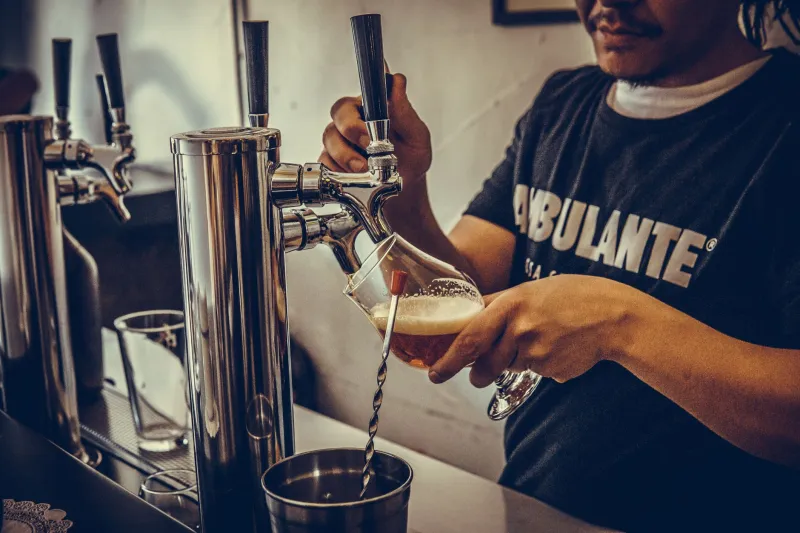
Here's a scene that plays out in craft beer communities across the country with some regularity: a local brewery — independent, well-run, making genuinely good beer — puts out a solid new seasonal. Maybe a handful of people show up on release day. The taproom is comfortable but not packed. Meanwhile, that same weekend, a limited drop from a brewery four states away sells out online in eleven minutes, and the resale listings go up before the shipping confirmation emails even land.
This isn't a crisis, exactly. But it is a paradox worth sitting with.
Craft beer, as a culture, has always leaned hard into the idea of local. Support your neighborhood brewery. Know your brewer. Drink what's made close to home. Those values are real and they've driven the growth of thousands of independent operations over the past two decades. But alongside that ethos, a very different consumer behavior has taken root — one driven by scarcity, novelty, and the social currency of drinking something rare.
The question isn't whether one of these impulses is good and one is bad. It's whether the balance has shifted in a way that's quietly making things harder for the breweries that need consistent support the most.
The Collector Mentality and Where It Came From
The trophy-hunting side of craft beer didn't appear out of nowhere. It grew organically from the same enthusiasm that made craft beer interesting in the first place. People who fell in love with good beer wanted more of it — more styles, more breweries, more experiences. Untappd turned that curiosity into a game. Bottle shares turned it into a social ritual. Limited releases turned it into a market.
There's nothing inherently wrong with any of that. Seeking out exceptional, hard-to-find beers is a legitimate expression of enthusiasm for the craft. The problem comes when that pursuit becomes the whole identity — when the only beer worth talking about is the one with the longest waitlist and the highest secondary market price.
Brewers who've been around long enough have a word for this kind of drinker: a hunter. Not said with contempt, necessarily, but with a certain weariness. Because the hunter shows up for the drop, drinks one pour, checks it into their app, and moves on. They're not building a relationship with the brewery. They're collecting an experience.
What Local Breweries Actually Need
The economics of running an independent brewery in 2024 are not easy. Ingredient costs are up. Labor is expensive. The pandemic reshuffled taproom traffic patterns in ways that haven't fully settled. In that environment, consistent revenue matters enormously — and consistent revenue comes from regulars, not one-time hunters.
A brewer who runs a taproom-focused operation in the Midwest put it plainly in a recent conversation: "The people who come in every other week and have two pints of our flagship — those people are keeping the lights on. The people who show up for a rare release and then don't come back until the next one? I appreciate them, but I can't build a business around them."
This is the loyalty paradox in its sharpest form. The drinkers who are most vocal about loving craft beer — the ones posting on forums, driving hours for a release, building out spreadsheet-tracked cellars — are often not the ones whose behavior most supports the breweries they claim to love.
The Breweries Playing Both Sides
Some breweries have figured out how to serve both audiences without sacrificing one for the other. They maintain a core lineup of approachable, well-made beers that give regular drinkers a reason to come back weekly. They layer limited releases on top of that — not as the whole identity, but as a bonus layer for the enthusiasts.
The key, according to the brewers who do this well, is not letting the limited release program eat the brand. When your whole marketing presence becomes about the next drop, you train your audience to ignore you between drops. That's a slow bleed.
The breweries that have the healthiest relationships with their communities are often the ones that don't make scarcity the point. They make quality the point, and scarcity is just an occasional byproduct of doing something ambitious.
Is the Culture Fixable?
This is where it gets genuinely complicated, because the behavior isn't irrational. Craft beer drinkers are responding to real incentives. Rare beers are often — not always, but often — genuinely excellent. The community around limited releases is real and fun. The thrill of getting something that most people can't get is, let's be honest, part of why people do a lot of things.
But culture can shift when enough people decide to shift it. There's a growing counter-movement inside craft beer circles that actively pushes back on trophy hunting — writers, podcasters, and drinkers who make a point of celebrating the unsexy virtues of a well-made everyday beer. The appreciation for session beers, for clean lagers, for the flagship that's been around for fifteen years and is still worth ordering — that's not nostalgia. It's a values statement.
The most honest version of being a craft beer fan probably looks like both things at once: showing up for the rare stuff when it genuinely excites you, and also being a regular somewhere. Knowing the bartender's name. Ordering the thing that's been on tap since the brewery opened. Treating a local taproom like a place you belong rather than a stop on a checklist.
The Draft That Keeps the Doors Open
At Draft Sasse, we spend a lot of time talking about what's new, what's rare, and what's worth seeking out. That's part of the job and we're not going to apologize for it. But it's worth saying plainly: the craft beer culture we all love exists because enough people showed up consistently for enough years to make it economically viable for independent breweries to survive.
If the next generation of drinkers is mostly hunters — chasing the next release, optimizing for novelty, treating loyalty like a weakness — some of those breweries won't make it. Not because they made bad beer, but because they didn't have enough people willing to be regulars.
Your local brewery probably has something on tap right now that's worth drinking. Not because it's rare. Because it's good. That's enough.