After Last Call: The Secret Brews That Never See a Tap Handle
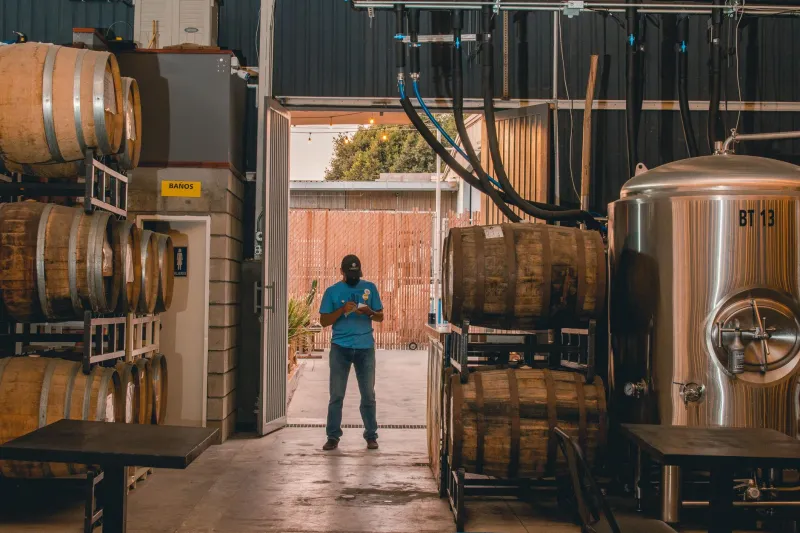
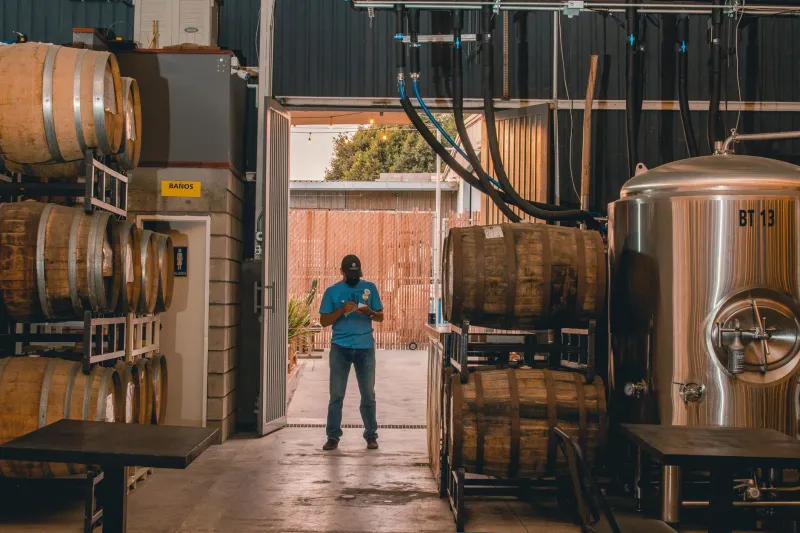
The taproom is dark. The last pint glass is drying in the rack. The front-of-house staff has gone home, and the parking lot is empty except for one truck parked crooked near the side entrance.
Inside, the lights are on in the brewhouse.
This is where some of the most interesting beer in America gets made — not for the menu, not for the Untappd ticker, not for anyone in particular. Just because a brewer had an idea they couldn't stop thinking about, and the only way to quiet it was to make the beer.
The Invisible Batch
Every brewer has a version of this story. A recipe that's been living in their notebook for months. A flavor combination that doesn't fit any category the taproom currently serves. A technique they read about at two in the morning and haven't been able to stop thinking about.
During normal production hours, there's no room for it. The commercial schedule is locked. The fermenters are full. The malt order is already in. But late at night, on a small pilot system tucked in the corner of the brewhouse, or sometimes just on a homebrew setup they never fully retired — that's where the idea gets its chance.
"I call it ghost brewing," says one brewer at a mid-sized operation in Pittsburgh who asked not to be named. "It's not secret exactly, my boss knows I'm here. But it's not official either. It's just me and whatever I'm trying to figure out."
He's been doing it for three years. In that time, he estimates he's made somewhere around forty batches that never left the building in any commercial form. Some of them were disasters. A handful were among the best things he's ever made.
Why It Stays Hidden
The reasons these beers never make the taproom are more varied than you might expect.
Some are purely practical. A batch size of five gallons doesn't scale to the commercial system without significant reformulation, and the reformulation sometimes kills whatever made the original interesting. The wild yeast character that emerged in a small fermentation vessel might vanish entirely when you multiply it by forty.
Others are kept hidden by choice. There's a particular freedom in making something that nobody will ever evaluate commercially. No need to worry about consistency, about whether it'll sell, about how it photographs for Instagram. The beer exists purely on its own terms.
"When you know something is going on the tap list, you're already thinking about the customer," explains a brewer in Austin who's been running informal late-night sessions for years. "Which is good — that's your job. But sometimes you want to make something just for the craft of it. No audience. No pressure. Just you and the ingredients."
Some of the most technically adventurous brewing happening in the US right now exists in this invisible space — beers that push fermentation science into territory that commercial production schedules simply don't allow.
When the Ghost Becomes Real
Not every after-hours experiment stays in the shadows. The relationship between these informal batches and official releases is closer than most taproom menus would suggest.
A late-night pilot batch is often where a brewer first proves out a concept before bringing it to their head brewer or ownership. The kinks get worked out in small, low-stakes batches. The recipe gets refined over three or four iterations before anyone officially greenlights it. By the time a beer hits the commercial system, it may have already been made half a dozen times in the dark.
"Almost everything interesting we've released in the last two years started as a ghost batch," says the head brewer at a well-regarded taproom in Chicago. "It's basically our R&D department, except it runs on personal time and curiosity instead of a budget."
This informal pipeline has produced some genuinely significant beers. Techniques that have become industry standards — certain approaches to dry hopping, specific wild fermentation methods, unusual adjunct combinations — often trace back to someone experimenting quietly after hours before the idea was ready to go public.
The Sharing Culture
Ghost batches don't always stay in the brewhouse. There's a quiet economy of after-hours beer that flows through the craft brewing community in ways that rarely get documented.
Brewers share experimental batches with each other. A mason jar of something unusual gets passed across a bar at an industry event. A growler shows up at a homebrew club meeting with a handwritten label and no commercial context. Trusted regulars sometimes get poured something off-menu with a quiet "tell me what you think."
"It's the most honest feedback loop in the industry," says one brewer who's been on both ends of these informal exchanges. "When there's no commercial stake, people tell you the truth. They're not trying to be nice about a product — they're just reacting to a beer."
This culture of informal sharing creates a kind of parallel universe of craft beer that most drinkers never encounter. It's not exclusive by design — it's just invisible by nature. The beer exists, gets drunk, gets discussed, and disappears.
The Best Beer You'll Never Order
There's a certain romance to the idea of beer that exists outside the market — made for its own sake, shared quietly, never assigned a price point or a tap handle. But it's also a genuinely important part of how craft brewing actually functions.
The late-night sessions are where brewers stay honest with themselves. Where they chase the ideas that don't fit the current menu, don't match the brand aesthetic, don't make commercial sense but won't leave them alone. Where the craft part of craft beer gets to exist without the business part looking over its shoulder.
Some of those beers will eventually find their way into the light — reformulated, scaled up, given a name and a label and a place on the board. Others will stay exactly where they were made: in a quiet brewhouse after last call, tasted by a handful of people who happened to be there, and then gone.
And maybe that's exactly how it should be. Not everything great needs an audience. Some beers just need to exist.
The truck is still in the parking lot. The lights are still on. The work continues.